Geen producten in de winkelwagen.
Geen producten in de winkelwagen.
Neo Px is now live! FREE shipping | 30-day Guarantee
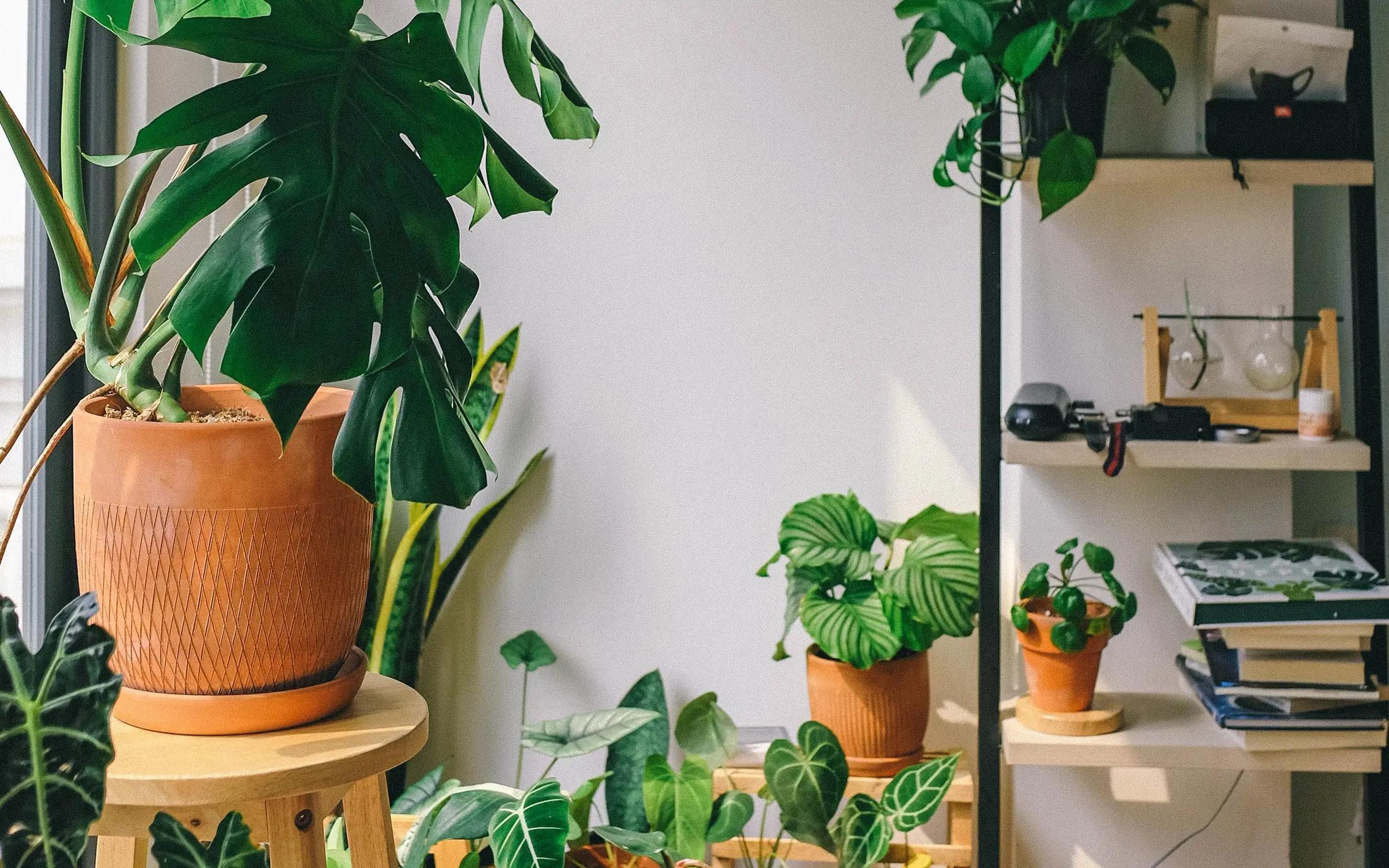
In a world full of smoke, smog, and acid rain, we also have the humble houseplant. For those with a living space full of priceless leafy plant babies, these tiny (but mighty) indoor plants are often a fun way to brighten up a room, and research shows they may even help with
. But what if we told you there’s much more to these plants than meets the eye?
While beautiful to look at and fun to care for, houseplants are becoming increasingly popular in the battle against air pollution. But what do the experts have to say, and can common houseplants really influence the air quality in an indoor environment?
Let’s find out.
Did you know that indoor air pollution is one of the world’s most significant
?
According to the U.S. EPA (Environmental Protection Agency), the levels of indoor air pollutants are sometimes up to five times greater than outdoor levels. This isn’t good by any means, especially as the average American spends around
snugly indoors.
So, what contributes to poor indoor air quality? Although many factors can contribute to unhealthy air (think: dust, dander, poor ventilation, etc.), the culprit that’s the most difficult to combat are VOCs.
Volatile organic compounds, or VOCs for short, are a class of harmful chemicals that can be “off-gassed” — or emitted as vapors — in the air we breathe. They can be found in many common
including:
VOCs might be invisible to the naked eye, but the concentrations of these silent killers are consistently higher in indoor spaces than in outdoor air, and their impacts pose very tangible consequences.
Studies reveal breathing in low levels of VOCs over long periods of time may increase the chance of developing certain
, such as asthma, allergies, and even different types of cancer. But you don’t need years of exposure for these toxic gasses to begin wreaking havoc on your health.
According to experts, some people experience headaches, dizziness, and even memory impairment almost immediately after coming into contact with
.
Of course, everyone is different, so reactions can vary from person to person. Some folks are also more susceptible than others — but if there’s one thing that’s for certain, it’s that these pollutants can be especially damaging to one’s health.
Yes, air purifiers can improve indoor air quality, but there are limits to what these machines can achieve. The bottom line is that air purifiers made with HEPA filters, which accounts for most air purifiers, don’t capture VOCs — which are some of the most prominent indoor air pollutants.
Even further, air purifiers that do claim to remove VOCs use one of
, all of which have drawbacks:
Moreover, concerns have been brought to the forefront about some types of air purifiers that produce ozone — a toxic gas that is especially harmful to the planet.
Air purifiers known as “ozone generators” and those that use photocatalytic oxidation can create this toxic gas, which may react with some pollutants in a way that can make indoor air worse off than where it started.
In addition to not being great for the environment byproduct-wise, air purifiers also require constant maintenance with filter replacement, which is another point against not meeting the sustainability mark. Not to mention the vast consumption of electricity that comes as a result of air purification devices — especially if you leave them running long enough for them to make a real difference.
Plants are indispensable to human life. Different plants convert the carbon dioxide (CO2) we exhale into fresh oxygen, and even help remove health-damaging toxins from the air we breathe. But we’ll be honest — it’s way too inefficient for a real impact on
when we’re talking about the handful of potted plants inside the average home.
A NASA research project investigated biological life support systems for space travel — and the results of the project indicated that various plants have a compelling ability to remove VOCs from the air. Naturally, this sparked the idea that potted plants can positive impact indoor air quality.
There is indeed a well-documented ability for plants to take up VOCs in lab studies, but the real truth is that these studies simply aren’t accurate representations of conventional living areas, like bedrooms. As such, the effectiveness of a potted plant to clean
in more complex environments is still a bit of a grey area.
When it comes down to it, it would take dozens of conventional, potted houseplants to have a notable impact on the air quality in a single room. And this just isn’t practical.
That’s why we created
, the first air-purifying plant bioengineered to clean the air in your home from the most harmful VOCs up to 30 times better than regular plant species.
So, while a regular houseplant may not bring you the clean air you’re after, Neo P1 can. And what better way to improve indoor air quality than with a kickass plant that’s both beautiful and effective?
All of this said, we do still love regular houseplants for other reasons, and you can, too. After all, studies show that houseplants can have positive effects on human
, and what’s not to love about that?
The average houseplant does very little to
in our homes.
Bioengineered houseplants created by yours truly here at Neoplants, however, are up to 30 times better than regular plants when it comes to air purification. And unlike regular houseplants that can actually store pollutants, Neo P1 recycles them into useful metabolites like sugars and amino acids, the building blocks of plant cells.
Here at
, we’re on a mission to put Mother Nature at the heart of innovation to drive positive change — that’s why we’ve built the first generation of bioengineered plants that fight air pollution.
Most VOCs are tiny carbon-based molecules, making them extremely difficult to remove from the air with a mechanical filter. This is why plants have an advantage: plants love carbon! The only downside is that regular household plants only know how to use carbon dioxide (aka CO2) as a source of carbon, and therefore, are really inefficient at absorbing VOCs.
, however, is specifically designed to target and eliminate VOCs (think formaldehyde, toluene, benzene, and xylene) with maximum efficiency and filtration power — no bulky air purifiers or filters required.
Good for the world, gorgeous for your home — this is a super plant with superpowers.
So, can a regular houseplant really influence air quality?
Yes, but it’s way too inefficient to have any kind of real impact.
But don’t worry, this sentiment is what we’ve built our entire mission around, if you’re on the same mission to use the power of plants to keep your indoor air clean, look no further than Neo P1 — the world’s first bioengineered plant specifically designed to target and eliminate harmful VOCs so that you can breathe a little easier.
Ready to start working with nature and join us on our mission?
to get first access to Neo P1.
Bibliography:
Other Sources:
Potted plants do not improve indoor air quality: a review and analysis of reported VOC removal efficiencies | Can ornamental potted plants remove volatile organic compounds from indoor air? A review | Introduction to Indoor Air Quality | Indoor Air Pollution | Indoor Air Quality | Volatile Organic Compounds in Your Home | Volatile Organic Compounds’ Impact on Indoor Air Quality | Effects of Indoor Plants on Human Functions: A Systematic Review with Meta-Analyses | Potted plants do not improve indoor air quality: a review and analysis of reported VOC removal efficiencies | Interaction with indoor plants may reduce psychological and physiological stress by suppressing autonomic nervous system activity in young adults: a randomized crossover study | Residential Air Cleaners – A Technical Summary | Quantification and human health risk assessment of by-products of photo catalytic oxidation of ethylbenzene, xylene and toluene in indoor air of analytical laboratories | Effects of an ozone-generating air purifier on indoor secondary particles in three residential dwellings | Air and Gas Filtration | New Guidance for Residential Air Cleaners |
